

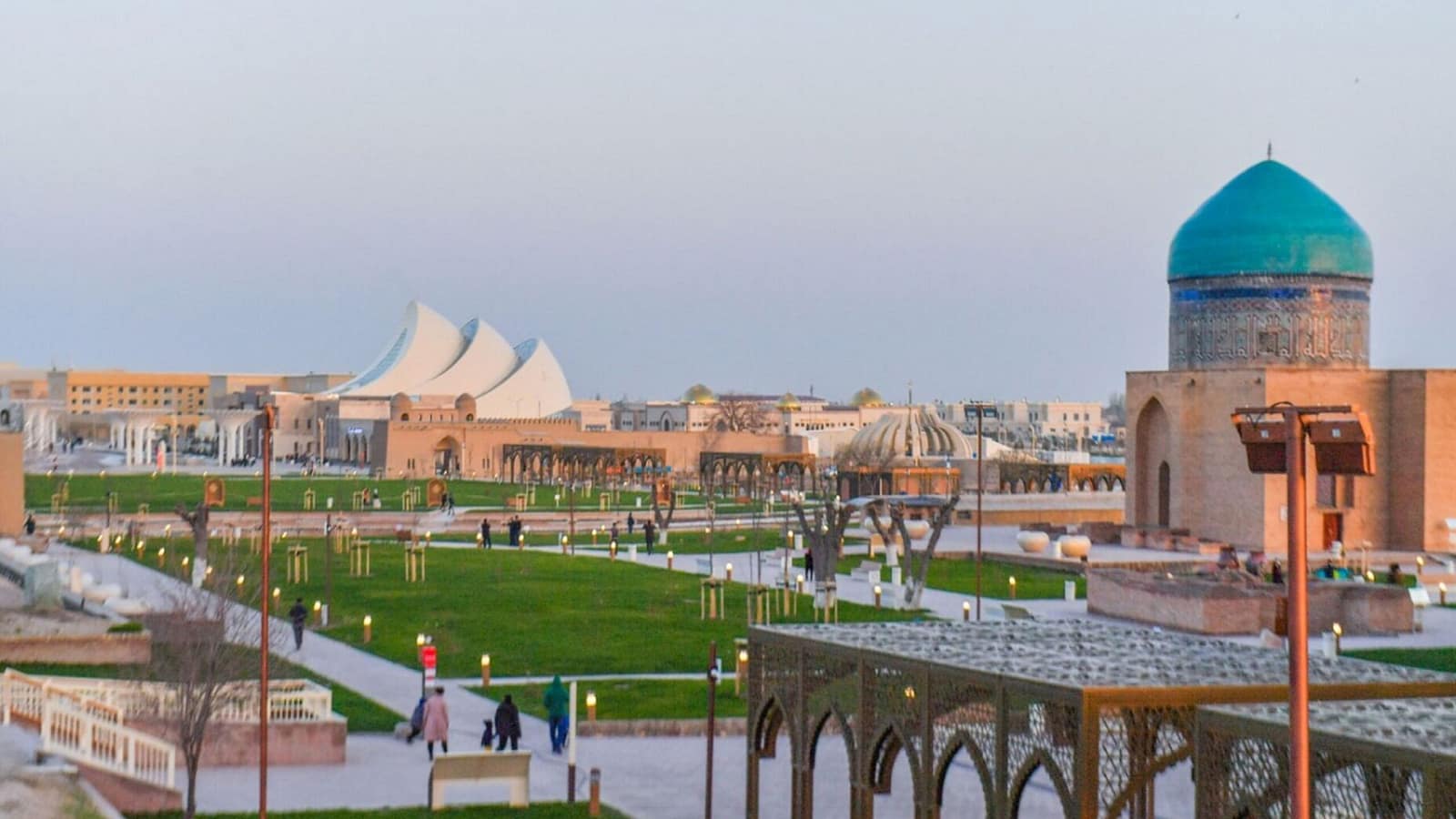
Uzbekistan ziyorat travel combines Islamic heritage, spiritual history, and Silk Road culture across some of Central Asia’s most historically important cities. From the manuscripts of Tashkent to the sacred atmosphere of Bukhara and the Imam al-Bukhari Complex near Samarkand, Uzbekistan attracts both religious visitors and cultural travelers interested in Islamic heritage tourism.
For many travelers, planning a ziyorat journey is not only about visiting landmarks. It is also about understanding etiquette, respecting prayer spaces, organizing realistic travel routes, and experiencing these places calmly instead of rushing through them.
This Uzbekistan ziyorat travel guide explains what to wear, how to behave respectfully, which Islamic heritage sites to prioritize, and how to plan a smoother spiritual journey across Uzbekistan.
What Is Ziyorat Travel in Uzbekistan?
Ziyorat travel refers to visiting important Islamic heritage sites, shrines, scholars’ resting places, mosques, and spiritual landmarks connected to Islamic history.
Uzbekistan is one of the most important Islamic heritage destinations in Central Asia because many influential scholars, theologians, and spiritual leaders were born, taught, or buried here. Travelers visiting Uzbekistan for ziyorat tourism often explore:
- Tashkent
- Samarkand
- Bukhara
- Imam al-Bukhari Complex
- Bahauddin Naqshband Complex
- Historic mosques and madrasahs
- Traditional pilgrimage routes
Many visitors combine spiritual travel with cultural tourism and Silk Road itineraries.
Uzbekistan Ziyorat Etiquette Checklist
Understanding basic etiquette helps visitors feel more comfortable while respecting local traditions and religious spaces.
Dress Code for Islamic Heritage Sites
For Men: Long trousers are recommended; Covered shoulders are preferred; Avoid sleeveless clothing in religious areas.
For Women: Cover shoulders and knees; Carry a scarf for mosque or prayer areas; Loose and modest clothing is safest.
Visitors do not need overly formal clothing, but respectful dress is important at religious locations.
Respectful Behavior at Mosques and Shrines
Most Islamic heritage sites in Uzbekistan are peaceful and welcoming, but visitors should remain aware of local customs. Important Etiquette Tips include:
- Keep voices low near prayer areas
- Avoid loud phone calls or videos
- Do not walk directly in front of people praying
- Follow photography signs carefully
- Respect women-only or restricted sections
- Move calmly during busy prayer times
Simple respectful behavior creates a much better experience for both visitors and worshippers.
Photography Rules at Islamic Heritage Sites
Photography policies vary depending on the location.
| Area | Photography Rules |
|---|---|
| Outdoor courtyards | Usually allowed |
| Historic complexes | Generally permitted |
| Prayer halls | Sometimes restricted |
| During active prayer | Avoid photography |
| Museum manuscript areas | Rules may vary |
If uncertain, asking staff or local guides is always the safest approach.
What To Bring for Ziyorat Travel in Uzbekistan
Comfort and preparation make a major difference, especially during full-day heritage visits. Recommended Packing List:
- Comfortable walking shoes
- Light modest clothing
- Scarf for mosque visits
- Small crossbody bag
- Water bottle
- Portable charger
- Small cash notes
- Sunglasses during warm seasons
Many historic areas involve walking on stone streets, uneven surfaces, and outdoor courtyards.
Tashkent Islamic Heritage Sites
Tashkent is often the best starting point for Uzbekistan ziyorat travel because it provides historical context. The Hazrati Imam Complex is one of Tashkent’s most important areas and includes mosques, courtyards, and the Moyie Mubarek Library Museum.
Best Time To Visit: Morning and late afternoon are usually cooler, less crowded, and more comfortable for photography.
Samarkand Ziyorat Travel
Samarkand combines monumental Islamic architecture with important religious heritage. A balanced Samarkand ziyorat itinerary usually includes one major religious site in the morning and slower pacing during warm weather.
Imam al-Bukhari Complex
The Imam al-Bukhari Complex is among the most significant Islamic heritage destinations. Many visitors come to pay respects and learn about the legacy of Imam al-Bukhari. Important Tips: Dress modestly, move calmly, and respect active worshippers.
Bukhara Ziyorat and Spiritual Heritage
Bukhara is a strong destination for spiritual travel because of its connection to Sufi traditions. One of the most important spiritual sites near Bukhara is the Bahauddin Naqshband Complex.
How To Plan the “7 Naqshbandi Sites” Route
Best Planning Method: Group nearby sites together, start with easier stops, include tea or lunch breaks, and end with the simplest location. A full-day schedule works best for respectful and comfortable visits.
Halal Food in Uzbekistan
Halal food is generally easy to find throughout Uzbekistan. Common dishes include Plov, Manti, Shurpa, and Kebabs. A simple question such as “Is the meat halal?” is completely normal in Uzbekistan.
Friday Prayer (Jumu’ah) Planning Tips
Friday midday can become busier around major mosques. Best Strategy: Keep midday schedules lighter, visit major religious sites earlier, and minimize photography during active prayer periods.
Suggested Uzbekistan Ziyorat Itineraries
| Trip Length | Best Route |
|---|---|
| 1 Day | Tashkent Islamic heritage sites |
| 2 Days | Tashkent + Samarkand |
| 3 to 5 Days | Samarkand + Bukhara ziyorat |
| 7+ Days | Full Islamic heritage route |
Frequently Asked Questions About Uzbekistan Ziyorat Travel
Is ziyorat travel only for Muslims? No. Cultural travelers are welcome, but respectful behavior is important.
What should women wear? Modest clothing covering shoulders and knees; carrying a scarf is recommended.
Can tourists take photos? Outdoor areas are usually fine, but prayer halls may have restrictions.
Is halal food easy to find? Yes, traditional Uzbek cuisine is generally halal-friendly.
Experience Uzbekistan’s Islamic Heritage Respectfully
Uzbekistan offers one of the richest Islamic heritage travel experiences through its mosques, shrines, manuscripts, and spiritual history. With respectful planning, ziyorat travel across Tashkent, Samarkand, and Bukhara becomes far more meaningful.
Recent Comments